Editor’s Note: Here are other end-times writings:
What is Amillennialism? Amillennialism views the millennium (1,000 year reign of Jesus in Revelation 20) as a presently occurring reality synonymous with the church age.
This view rejects the idea of a future, earthly 1,000 year reign of Christ.
Christ’s rule has already been inaugurated at His first coming, is being experienced and realized now in heaven and in the hearts of God’s people, and will continue to grow as the gospel advances through the church.
Amillennialism anticipates a future final fulfillment of Christ’s reign when Jesus will return to rule over the New Creation in the eternal state.
Why I Respect This View: Amillennialism has a simple and sophisticated approach of reading the Scriptures (clear passages interpreting the less clear ones) and is a view that dominates much of church history.
What You Must Believe If You’re an Amillennialist:
You must believe many of the earliest church fathers got it wrong. Some of the earliest Christian thinkers (Polycarp, Papias, Irenaus, and Justin Martyr to name a few) taught a future earthly millennium. Some of these early church fathers were said to have heard directly from John himself, the author of Revelation.
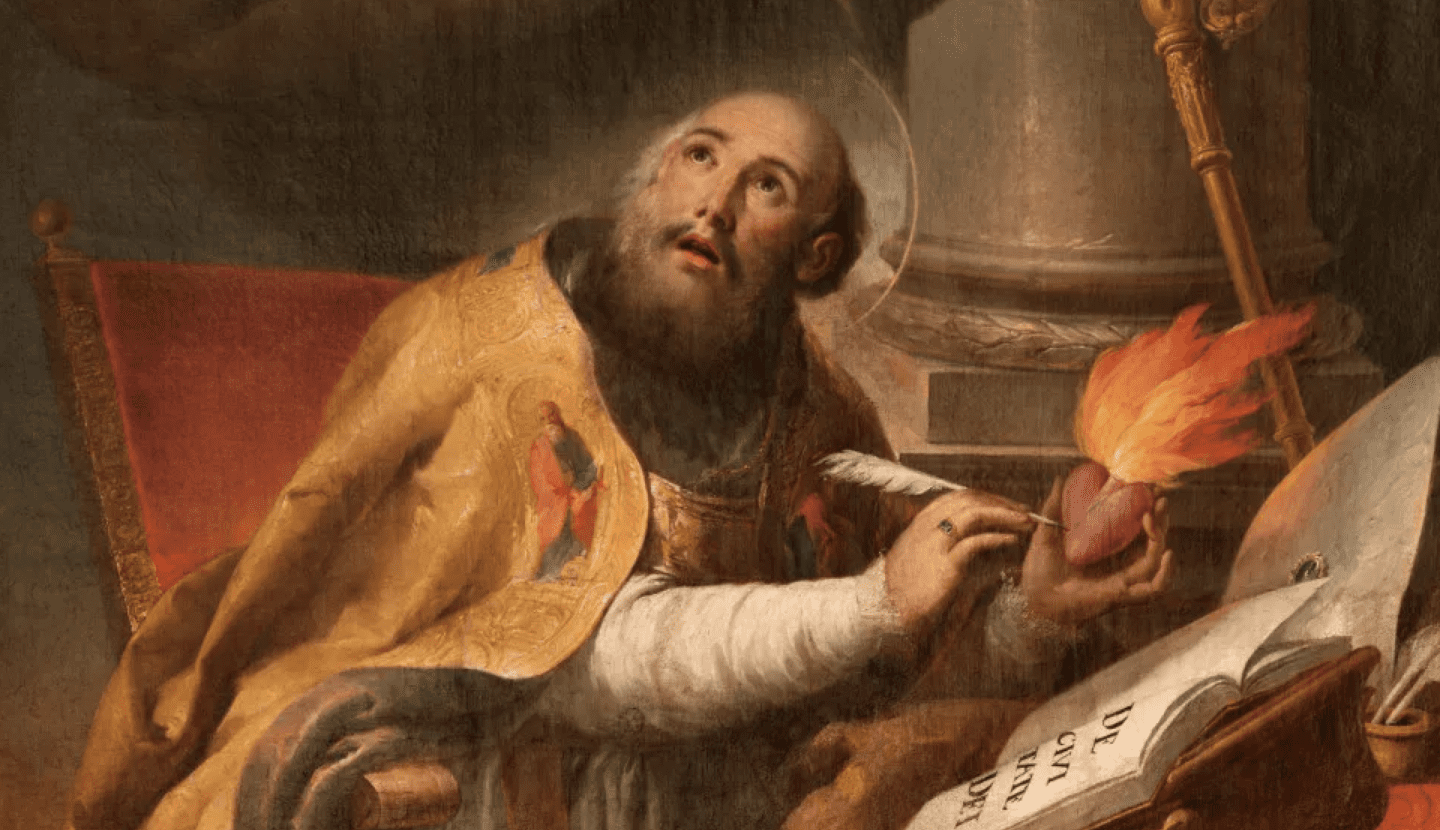
On the contrary, Augustine (a once premillennialist turned amillennialist) who popularized amillennialism was influenced in part by Plato. Neo-Platonic philosophy which dichotomized the spiritual against the material helped change Augustine’s mind because he was turned off by what he perceived as carnal visions of Christ’s earthly reign on the part of his premillennial contemporaries.
Is it wise to write off the potentiality of apostolic influence? Plato’s influence? Or should we weigh the influences for how Revelation should be read?
You must believe in contradictory descriptions of how Christian “reign” in the present. According to the Amillennialist, Revelation 6:9-11 and Revelation 20:4 describe the same time period: Christians ruling in heaven with Christ.
In the former, we see a picture of souls under the altar crying out in a loud voice for a vindication yet to be realized. In the latter, Christians are simply described as “given authority to judge” who are sitting on thrones.
Can these two views of heaven and heavenly rule co-exist? Didn’t Jesus call the intermediate state “paradise"?” How can one be in the perfect, complete presence of Jesus but also groan and cry out for that which is incomplete and imperfect?
You must believe in contradictory descriptions of Satan’s present impact in the world. In the amillennial mind, Satan can no longer prevent the gospel going forth to the nations since Satan was bound at Christ’s first coming (Mark 3:27; Revelation 20:1-3).
But how can Satan also be called the “the god of this age” whose present work “has blinded the minds of the unbelievers to keep them from seeing the light of the gospel of the glory of Christ” (2 Corinthians 4:4)?
If you have the capacity to blind someone so they can’t see, don’t you have the capacity to prevent someone from seeing the truth?
Side note: Many amillennialists hold to a Calvinistic view of salvation that God is ultimately the one who saves. An example would be the book of Jonah where the entire city of Nineveh repents. If it didn’t require Jesus binding Satan for other nations to be saved prior to the earthly ministry of Jesus, why would the binding be the linchpin for gospel advancement when salvation always belonged to the Lord in the first place?
You must believe the book of Revelation depicts a contradictory description of Satan’s present impact in the world. Amillennialists say both Revelation 12 & 13 and Revelation 20:1-3 describe the present church age. But how does one reconcile the contradictory nature of these descriptions?
In Revelation 12 & 13, Satan is described as “the one who deceives the whole world.”
Satan then gives the first beast “authority over every tribe, people, language, and nation. All those who live on the earth will worship it....”
Satan then gives authority to the second beast to “[deceive] those who live on the earth….”
How do these descriptions comport with Revelation 20 which describes Satan as being thrown into abyss, which is then closed with a seal over it so he can no longer deceive the nations? Doesn’t this reading interpret this too symbolically flattening the descriptions altogether?
In the next post, I will share a few other things amillennialists must believe and a few reasons why I find the amillennial position to be beautiful, powerful, and deeply respectable.